
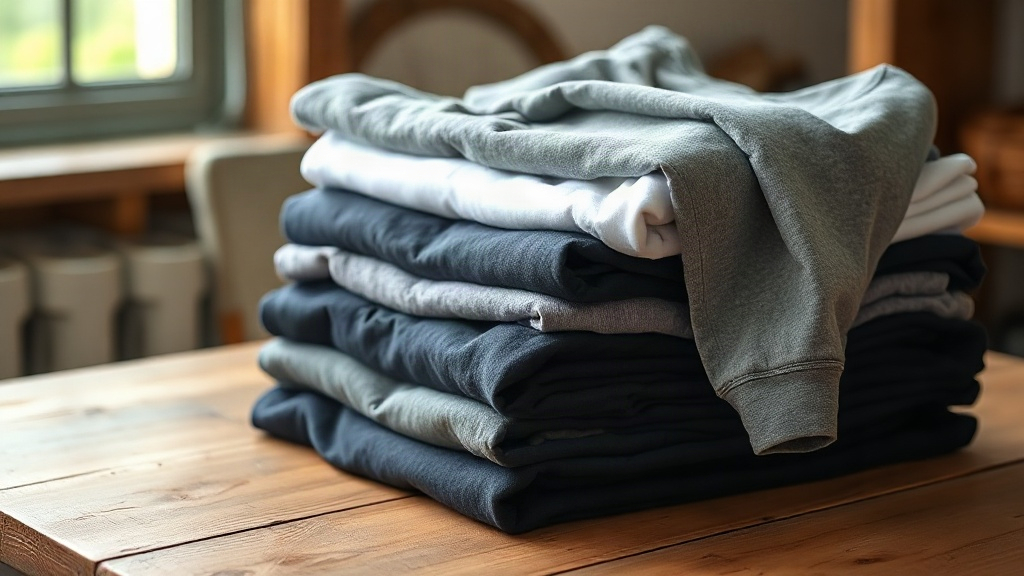
When you hold a Shaka Wear t-shirt in your hands, the first thing you notice is the weight. It is not a flimsy, see-through tee that loses shape after two washes. It is a substantial, tightly knit garment that feels like it was made to last. That tactile difference is exactly why so many streetwear brands, screen printers, and creative entrepreneurs have made Shaka Wear their go-to blank for Custom Premium Shirt projects. But what exactly makes these blanks so special, and how can you use them to create apparel that customers actually want to wear? This guide breaks it down from fiber to finished product.
Why Shaka Wear Blanks Outperform Ordinary Tees
Most blank t-shirts on the market fall into two categories: cheap and disposable, or expensive and overhyped. Shaka Wear sits in a sweet spot. The brand built its reputation in the Los Angeles streetwear scene, where durability and fit are non-negotiable. Their tees are cut from heavyweight cotton, often in the 6.0 to 7.5 oz range, which gives them a structured drape that holds up to repeated wear and washing.
Beyond weight, the construction details matter. Shoulder-to-shoulder taping prevents stretching at the neckline. Double-needle stitching at the hems and sleeves means the shirt will not unravel after a few trips through the dryer. And the tubular body (on many styles) eliminates side seams, which reduces twisting and provides a cleaner canvas for printing. For anyone serious about Custom Premium Shirt production, these are not minor perks. They are the difference between a product that gets returned and one that gets reordered.
Choosing the Right Shaka Wear Style for Your Project
Shaka Wear offers several fits and fabric blends, and picking the right one depends on your audience and your design. Here is a quick breakdown of the most popular options:
- Classic Heavyweight Crew Neck: The workhorse. 100% cotton, 6.0 oz, available in a wide color range. Ideal for screen printing and everyday wear.
- Oversized Tee: A boxy, drop-shoulder cut that has become a staple in streetwear. Great for bold graphics and all-over prints.
- Tri-Blend Tee: A cotton-poly-rayon mix that feels softer and drapes more loosely. Perfect for vintage-style prints and retail brands that want a lived-in look.
- Long Sleeve and Hoodies: Extend your line beyond short sleeves. These pieces take embroidery and puff printing beautifully.
If you are unsure, order a sample pack. Feeling the fabric and testing your print method on the actual garment is the only way to guarantee satisfaction. Do not rely solely on screen colors or spec sheets.
Printing Techniques That Work Best on Shaka Wear
Because Shaka Wear blanks are tightly woven and often heavier than average, they accept ink differently than lighter tees. Here is how to get the best results with common decoration methods.
Screen Printing
This is the most popular choice for bulk orders. Plastisol inks sit on top of the fabric and produce vivid, opaque colors. On heavyweight cotton, you can achieve fine detail without the ink bleeding. For a softer feel, use water-based or discharge inks, which dye the fabric rather than coating it. Discharge printing works especially well on 100% cotton Shaka Wear tees, creating a no-feel print that moves with the shirt.
Direct-to-Garment (DTG)
DTG is ideal for small batches and full-color photographic designs. It requires a pretreatment solution to help the ink bond to the cotton. On Shaka Wear blanks, DTG produces good results, but the print may fade faster than screen printing after many washes. For longevity, stick to 100% cotton styles and follow the care instructions you provide to your customers.
Embroidery and Appliqué
Heavyweight fabrics provide a stable base for embroidery. The needle perforations are less likely to cause distortion, and the backing stabilizer adheres well. This makes Shaka Wear a smart choice for corporate logos, varsity-style patches, and premium detailing on Custom Premium Shirt designs.
Designing for Impact: Tips from the Print Floor
Great blanks are only half the equation. The design itself must be tailored to the garment. Here are practical tips we have learned from working with Shaka Wear tees day in and day out.
- Mind the placement: On oversized fits, a left-chest logo can look lost. Consider a larger center-chest print or a back hit instead.
- Use negative space: Heavyweight cotton shows texture. Designs with open areas let the fabric breathe and prevent the print from feeling like a plastic patch.
- Test on multiple colors: A design that pops on white may disappear on heather grey or black. Always proof your artwork on the actual shirt color.
- Consider the fold: How will the shirt look on a hanger or folded on a shelf? A well-placed graphic can turn a plain tee into a retail-ready product.
Caring for Your Custom Shaka Wear Shirts
To keep your Custom Premium Shirt looking fresh, educate your customers on proper care. Here is a simple routine that extends the life of both the garment and the print:
- Turn the shirt inside out before washing.
- Use cold water and a gentle cycle.
- Avoid fabric softeners, which can break down the ink bond.
- Tumble dry on low or hang dry. High heat is the enemy of cotton and screen-printed graphics.
- Iron inside out, never directly on the print.
Following these steps can double the lifespan of a custom shirt, which means happier customers and fewer complaints.
Sustainability and Ethical Production
Modern buyers care about where their clothes come from. Shaka Wear has made strides in responsible manufacturing, with many of their facilities adhering to fair labor standards and using eco-friendly practices like water recycling. While not every style is organic, the brand offers options that appeal to environmentally conscious consumers. If sustainability is central to your brand story, look for their organic cotton or recycled blends, and highlight these features in your marketing.
Common Questions About Shaka Wear and Custom Printing
Are Shaka Wear shirts true to size?
Generally, yes. Shaka Wear follows standard US sizing, but their heavyweight styles may feel slightly snugger due to the dense fabric. If you are between sizes or prefer a looser fit, consider sizing up. Always check the specific size chart for the style you are ordering.
Can I print on Shaka Wear tri-blend tees?
Absolutely. Tri-blends take screen printing well, but they require a different ink formulation than 100% cotton. Use low-bleed or poly inks to prevent dye migration, especially on darker colors. DTG on tri-blends can be tricky, so test first.
What is the minimum order quantity for custom Shaka Wear shirts?
Minimums vary by printer. Some screen printers require 12 to 24 pieces per design, while DTG and heat transfer can be done as single pieces. If you are ordering blanks directly from a distributor, you can often buy in smaller packs. For the best pricing, consolidate your order.
How do I remove wrinkles from a Shaka Wear shirt before printing?
Wrinkles can ruin a print. Use a heat press or an iron on low heat to smooth the fabric before decorating. Avoid steam, which can leave moisture that interferes with ink adhesion. A quick press with a commercial heat press is the pro method.
Do Shaka Wear shirts shrink after washing?
Because they are made from cotton, some shrinkage is normal, usually around 3-5% if washed in hot water and dried on high heat. To minimize shrinkage, wash cold and hang dry. Pre-shrunk styles are available, so check the product description if this is a concern.
Choosing Shaka Wear for your next Custom Premium Shirt project is a decision you will not regret. The combination of quality, fit, and printability makes them a reliable foundation for any apparel line. Whether you are launching a streetwear brand, outfitting a team, or creating merchandise for an event, these blanks deliver the professional look and feel that keeps customers coming back.