
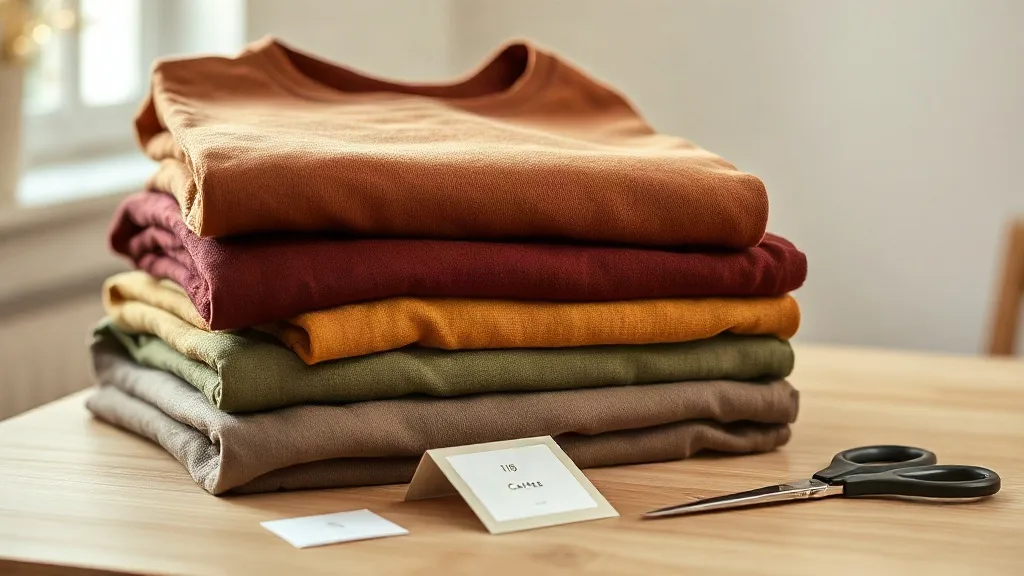
Most conversations about shaka wear focus on the print side: how the fabric takes plastisol, how a heavy cotton face holds a halftone, how the shoulder seams behave under a squeegee. All of that matters, but there is a quieter problem that shows up months after a drop ships. A customer washes the tee a dozen times, the body twists, the collar ripples, and suddenly the heavyweight blank that felt premium on day one looks like a gym rag. Care is where a blank either earns repeat orders or quietly kills them.
This guide is written for the people who handle shaka wear garments in bulk: print shops, embroidery houses, and small brands that put their own label on the shirt. It covers what happens to heavyweight cotton in a washing machine, why certain drying habits ruin a good blank faster than any print defect, and how to build care instructions that actually protect your product. If you also stock lighter blanks alongside your heavyweight line, some of the same logic applies to smart blanks, though the tolerances differ.
Why Heavyweight Cotton Behaves Differently in the Wash
A heavyweight tee is not just a thin tee with more fabric. The yarn is usually coarser, the knit is tighter, and the garment is often piece-dyed or garment-dyed before it reaches you. That construction gives the shirt its structure, but it also means the fabric has more internal tension. When water and heat hit it, that tension releases unevenly.
In practice, you will see three things happen to a shaka wear heavyweight tee over time:
- Length shrinkage: The body can lose anywhere from a small fraction to a noticeable amount of length in the first few washes, depending on water temperature and dryer heat.
- Torso twist: Because the fabric is denser, any torque in the knit becomes more visible. A shirt that starts slightly off-grain can rotate around the body after repeated washing.
- Collar relaxation: Heavy ribbed collars hold up better than cheap ones, but hot water and high dryer heat still soften the elastane or rib structure over time.
None of this is a defect. It is the natural behavior of a substantial cotton garment. The goal of a good care routine is to slow these changes down and keep them consistent across a whole run of shirts.
The First Wash Sets the Tone
If you are printing or embroidering shaka wear blanks for a client, the first wash after decoration is the most important one. It is also the wash most people get wrong, because they treat a new heavyweight tee like a delicate item and wash it in cold water on a gentle cycle, then wonder why it still shrank in the dryer.
A more reliable approach:
- Wash the garment inside out in cold or lukewarm water, never hot.
- Use a mild detergent without bleach or optical brighteners, which can dull dyed cotton over time.
- Skip fabric softener on printed areas. It coats the fibers and can make plastisol prints feel slick or gummy.
- Tumble dry on low, or hang dry in a shaded area. High heat is the single biggest cause of shrinkage and print cracking.
If you are shipping tees to customers, print this routine on a small care card and include it in the package. It costs almost nothing and it prevents a large share of the "my shirt shrank" complaints that eat into margins.
Washing Printed Versus Blank Heavyweight Tees
Blanks and decorated shirts do not need identical care. A blank shaka wear tee can handle a normal cold wash cycle without much fuss. A printed tee needs a little more attention around the ink.
For blank stock
Wash cold, dry low, and fold rather than hang. Hanging a heavy cotton tee on a wire hanger for months can stretch the shoulder points, especially if the shirt is still slightly damp. Store blanks flat in a dry room, away from direct sunlight, and rotate older stock to the front so nothing sits in a warehouse for a year before it ships.
For printed and embroidered stock
Turn the garment inside out before washing. This protects the print surface from abrasion against other garments and from the agitator. For embroidery, inside-out washing also reduces the chance of thread snags. Avoid washing decorated tees with items that have zippers, hooks, or rough hardware, since those catch on stitches and ink edges.
Drying: The Step That Decides Longevity
Ask anyone who has managed a print shop's sample closet and they will tell you the same thing: the dryer is where good blanks go bad. A shaka wear heavyweight tee that is hung to dry will hold its length and shape far longer than one that goes through a hot cycle after every wear.
If you have to use a dryer, keep it on low and pull the shirt out while it is still slightly damp, then lay it flat to finish drying. That single habit reduces both shrinkage and the small cracks that form along the edges of a screen print.
For brands shipping direct to consumer, consider recommending air drying in the care insert. It is a small ask, and customers who follow it tend to become repeat buyers because the shirt still fits the way it did in the first month.
Building Care Instructions That Protect Your Brand
Generic care labels are a missed opportunity. A short, specific insert that names the fabric weight and gives clear steps does two things: it reduces returns, and it signals that you know your product. A few lines that work well for heavyweight cotton:
- Machine wash cold, inside out, with like colors.
- Do not bleach.
- Tumble dry low or hang dry.
- Do not iron directly on print or embroidery.
If you also carry lighter-weight blanks such as smart blanks, keep the care cards separate. Mixing instructions across fabric weights confuses customers and leads to complaints that are hard to trace back to a specific product.
Storage and Rotation for Shops and Brands
Care does not stop at the customer's washing machine. How you store shaka wear stock in your own space affects how it performs when it finally ships. Keep boxes off concrete floors, since moisture wicking up from the ground can cause musty smells and, in humid climates, small mildew spots that only show up after printing.
Rotate inventory on a first-in, first-out basis. Heavyweight cotton that sits compressed in a box for a year can develop permanent creases along the fold lines, and those creases sometimes show through a print. If you are storing decorated stock, keep it flat and away from heat sources.
When a Shirt Is Past Saving
There is a point where care stops helping. A heavyweight tee that has been washed hot for two years, dried on high, and worn hard will eventually thin at the collar and lose its body. That is normal. The useful question for a shop is whether the failure happened inside the expected lifespan. If a customer reports collar failure after three washes, that is a signal to check your wash recommendations and your storage, not just the garment.
Tracking returns by product and wash complaint type gives you a clear picture of which care advice is working. Most of the time, a simple change to the insert, such as adding "hang dry" or "wash cold," cuts complaints noticeably within a season.
Frequently Asked Questions
How much will a Shaka Wear heavyweight tee shrink after the first wash?
It depends on water temperature and drying method. Cold washing and low or air drying typically produce minimal change, while hot water and high dryer heat can cause noticeable length shrinkage. Always test a sample garment with your own wash routine before committing to a size run for a client.
Can I wash a printed Shaka Wear tee in warm water?
Lukewarm water is generally fine, but hot water speeds up ink aging and fabric shrinkage. Cold water is the safer default for any decorated heavyweight tee, and turning the garment inside out protects the print surface during the cycle.
Should I hang or fold heavyweight tees for storage?
Fold them. Hanging a heavy cotton tee for long periods, especially on a thin wire hanger, can stretch the shoulder seams and distort the neckline. Flat storage in a dry space keeps the shape intact until the shirt ships.
Why does the collar on my heavyweight tee lose shape over time?
Hot water and high dryer heat soften the rib structure and any elastane in the collar. Washing cold and air drying slows this process considerably. If collars fail within a few washes, check whether the care instructions you provide match how customers actually launder the shirt.
Does fabric softener damage screen prints on heavyweight blanks?
It can. Softener leaves a residue on the fibers that changes how the print surface feels and can reduce the ink's flexibility over time. Skip it on printed areas and use a mild detergent instead.