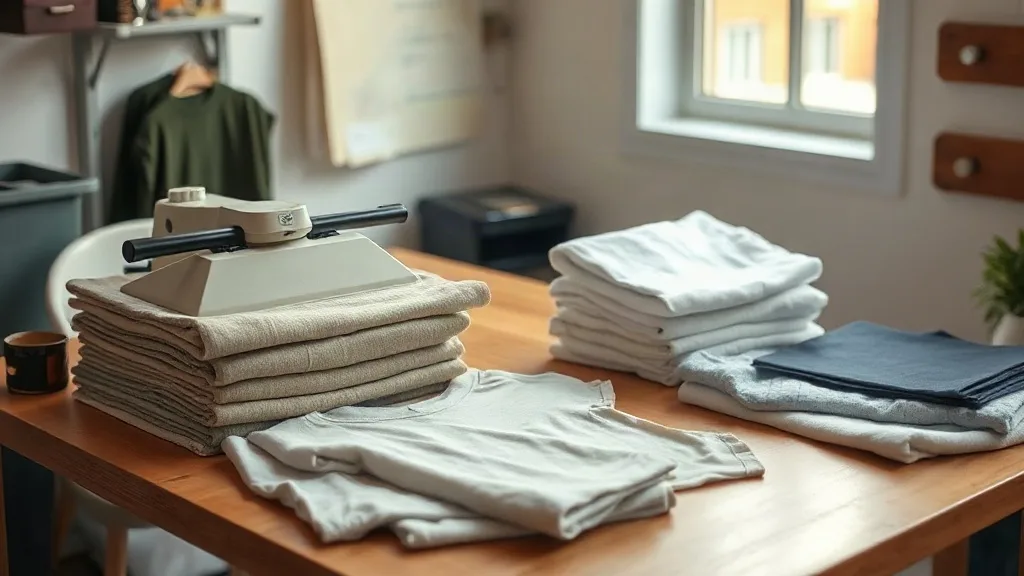
You have a heat press, a handful of blank tees, and a growing list of friends who want custom shirts. Maybe you have been lurking in decorator forums for weeks, watching videos of dtf transfers peeling off the carrier sheet like magic. The appeal is obvious: full-color prints without screens, no color mixing, no minimums from a screen printer, and a workflow that fits on a folding table. But the gap between watching a demo and running a profitable small shop is wider than most beginners expect. This playbook is for the person who wants to close that gap without burning through savings on gear that does not matter and skipping the details that do.
Why DTF Fits the Small Shop Model
Screen printing rewards volume. The setup time per color, the emulsion, the reclaim, the screen storage, all of it makes sense when you are running dozens of the same design. dtf flips that equation. A single transfer can be pressed in under a minute, and a gang sheet lets you pack dozens of different designs onto one film. For a shop that takes orders of five, ten, or twenty pieces with different names, numbers, or logos, that flexibility is the whole game.
What makes DTF especially friendly to beginners is the separation of printing and pressing. You do not need to own a DTF printer to start. You can order transfers from a supplier, keep a small inventory of blanks, and press on demand. That means your upfront cost is mostly a heat press and a few hundred dollars of transfers, not a $15,000 printer plus ink, powder, and film. You can learn the press settings, the fabric quirks, and the customer conversation before you ever commit to in-house printing.
The Equipment You Actually Need
A Heat Press That Holds Temperature
You do not need the most expensive press on the market, but you do need one that maintains temperature across the platen. Cheap presses often swing ten to fifteen degrees, which is enough to cause inconsistent adhesion on heavy blends. A 15x15 clamshell is the standard starting point. If you plan to press sleeves, totes, or onesies, consider a 16x20 or a swing-away press with a drawer. The key spec is a digital controller with both temperature and pressure adjustment, and a platen that is flat, not warped.
A Silicone Pad and a Teflon Sheet
You will press transfers through a protective sheet, and a PTFE (Teflon) sheet is the usual choice. Keep a dedicated one for DTF and replace it when it gets glossy or contaminated. A silicone pad under the garment helps distribute pressure on thicker seams and collars.
A Way to Store Transfers Flat
Transfers curl when they sit in a hot car or a humid room. A flat file, a large binder, or even a pizza box works. Label by design and date so you do not press an old transfer with degraded powder.
Press Settings That Actually Work
Every supplier publishes a recommended range, and you should start there. In practice, most small shops settle into 300 to 320 degrees Fahrenheit, medium to firm pressure, and eight to twelve seconds for the peel. The variables that matter most are fabric thickness and whether the garment has a finish.
- 100% cotton tees: 300 to 310 degrees, 10 seconds, peel warm.
- Cotton/poly blends: 310 to 320 degrees, 10 to 12 seconds, peel warm to cool.
- Heavyweight fleece: 320 degrees, 12 to 15 seconds, peel warm. Pre-press the garment for 5 seconds to remove moisture.
- Nylon and coated fabrics: lower temperature, longer dwell, and always test on a scrap. Some coatings repel the adhesive entirely.
Peel temperature is where most beginners get burned. Cold peel transfers need to cool completely before you pull the film, or the ink will stretch and crack. Warm peel transfers come off with a smooth, steady pull while the sheet is still slightly hot. Know which type you bought. If your supplier does not label it, ask.
The First Ten Orders: What to Expect
Your first orders will teach you more than any guide. A few patterns show up almost immediately.
- Customers underestimate the value of a good blank. A cheap tee with a beautiful print still feels cheap. Build a relationship with a blank supplier and offer two or three tiers. Heavyweight Shirt Shop exists for exactly this reason: the garment is half the product.
- Names and numbers are the gateway order. A team parent wants twelve shirts with different names. That is a DTF job, not a screen print job. Price it per piece with a small setup fee, and you will book more of these than you expect.
- Rush orders are a pricing decision, not a scheduling one. If you can turn a five-piece order in 24 hours, charge for it. Your time is the constraint, not the transfer.
Pricing Without Guessing
New shops often price by looking at competitors and shaving a dollar off. That is a race you cannot win. A better approach is to build a simple cost model: blank cost, transfer cost, consumables (paper, tape, sheets), labor time, and a margin for mistakes. For a single-side print on a mid-weight tee, many small shops land between $18 and $28 depending on the blank and the design size. The number matters less than the consistency. Write it down, use it every time, and adjust when your material costs change.
If you are ordering transfers from a supplier, ask about gang sheet pricing. A gang sheet packs multiple designs onto one film, and the per-print cost drops significantly. For a shop doing mixed orders, this is the single biggest lever on margin.
Common Mistakes That Cost Real Money
- Pressing on a damp garment. Moisture turns to steam and prevents the adhesive from bonding. Pre-press every garment for three to five seconds.
- Using too much pressure. More is not better. Excessive pressure flattens the ink and pushes adhesive into the fabric in a way that feels stiff. Medium-firm is usually enough.
- Reusing a contaminated cover sheet. Ink residue transfers back onto the next garment. Keep spares.
- Storing transfers in a hot car. The powder can cure prematurely. Treat them like food: cool, dry, flat.
- Skipping the test press. Every new blank or transfer batch deserves a scrap test. Five minutes saves a five-shirt redo.
When to Bring Printing In-House
At some point, the math changes. If you are ordering several hundred dollars of transfers a month and waiting on shipping, an in-house printer starts to make sense. But the jump is bigger than the printer price: you need space, ventilation, a powder shaker, a curing oven or heat press setup, and a learning curve on color management. Most small shops are better served by ordering transfers and focusing on pressing quality and customer service. Outsourcing the printing keeps your capital free and your attention on the part customers actually see.
Frequently Asked Questions
How do I find reliable dtf transfers near me?
Start with local decorator groups and ask who they order from. If you want a supplier with consistent film quality and clear press instructions, look for shops that publish their settings and offer gang sheet pricing. Local pickup is a bonus if you are in a metro area, but shipping is fine for most small shops.
Can I use DTF transfers on 100% polyester?
Yes, but polyester requires lower temperature and careful testing. Some poly fabrics have a slick finish that resists adhesion. Always pre-press and test a scrap piece before committing a full order.
How long do DTF transfers last on a shirt?
With proper pressing and normal washing, a quality transfer can last the life of the garment. Turn the shirt inside out, wash cold, and skip the dryer on high heat. The print will outlast most cheap blanks.
Do I need a special printer to start a DTF shop?
No. You can order transfers from a supplier and press them yourself. Many successful small shops never own a DTF printer. They own a good heat press and a reliable supplier.
What is the biggest mistake beginners make with DTF?
Pressing without testing. Every fabric, transfer batch, and press behaves a little differently. A five-minute test on a scrap saves hours of rework and protects your reputation with customers.