
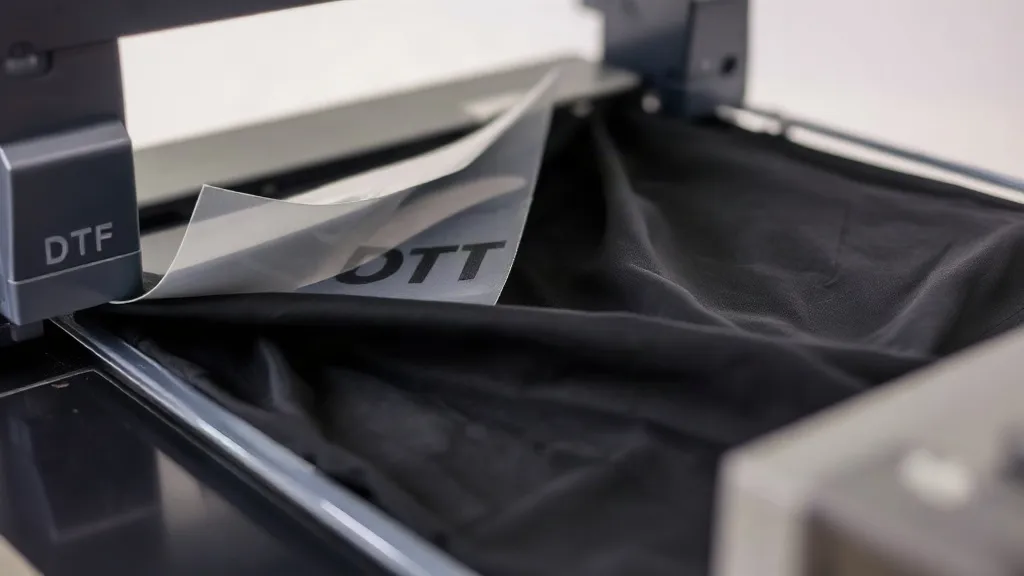
You've probably had it happen: a customer brings in a gorgeous piece of heat-sensitive fabric, maybe a nylon windbreaker or a stretchy performance tee, and asks for a custom print. You run it through your usual DTF process, and the fabric comes out with a shiny scorch mark or a melted texture that won't come back. Heat-sensitive materials are some of the trickiest substrates for any heat-applied decoration, and DTF is no exception. But with a few adjustments to your press settings and a better understanding of how dtf transfers interact with these fabrics, you can avoid the burn and deliver a clean, durable print every time.
This guide walks through the practical side of printing on heat-sensitive materials. You'll learn which fabrics fall into this category, how to dial in your heat press, and what to do when a fabric simply won't cooperate. Whether you're a small shop owner or a seasoned press operator, these tips will help you expand your material range without sacrificing quality.
What Makes a Fabric Heat-Sensitive?
Not all fabrics react the same way to heat. Natural fibers like cotton can typically handle temperatures up to 350°F (177°C) without issue. But synthetic fibers, especially those with low melting points or delicate finishes, start to degrade at much lower temperatures. Common heat-sensitive fabrics include:
- Nylon: Melts around 420°F (215°C) but can show scorching or glazing at temperatures as low as 300°F (149°C) if pressed too long.
- Polyester and spandex blends: Can handle moderate heat but may become shiny or stiff if overheated.
- Acrylic: Very heat-sensitive, prone to melting and distortion.
- Modacrylic and flame-retardant fabrics: Often treated with finishes that break down under high heat.
- Delicate knits and mesh: Can stretch or warp under pressure and heat.
The key is to know your fabric before you press. Always ask suppliers for care and heat tolerances, and when in doubt, test on a scrap piece first.
How DTF Transfers Behave on Heat-Sensitive Fabrics
DTF transfers consist of a printed design on a special film, coated with a thermoplastic adhesive powder. When heat and pressure are applied, the adhesive melts and bonds to the fabric. On heat-sensitive materials, the challenge is achieving a strong bond without exposing the fabric to temperatures that cause damage.
Standard DTF application typically calls for 300–320°F (149–160°C) for 10–15 seconds with medium pressure. On heat-sensitive fabrics, you'll need to lower the temperature, reduce dwell time, or both. But lowering heat too much can result in poor adhesion, leading to prints that peel or crack after a few washes. The goal is to find the sweet spot where the adhesive flows properly but the fabric stays intact.
Another factor is the fabric's ability to dissipate heat. Nylon, for example, holds heat longer than cotton, so even if you press at a lower temperature, the fabric may continue to absorb heat after the press opens. This makes cooling and handling important steps in the process.
Setting Up Your Heat Press for Delicate Fabrics
Before you press a single heat-sensitive garment, make sure your press is calibrated. A press that runs 10–15 degrees hotter than the display shows can ruin a delicate fabric even at "safe" settings. Use a heat gun or infrared thermometer to verify platen temperature, and adjust accordingly.
Here's a starting point for heat-sensitive fabrics, but always test first:
- Temperature: 260–280°F (127–138°C) for very sensitive fabrics like nylon and acrylic; 280–300°F (138–149°C) for polyester and spandex blends.
- Time: 8–12 seconds, depending on fabric thickness. Thinner fabrics need less time.
- Pressure: Medium to light pressure. Too much pressure can crush delicate textures or cause the adhesive to squeeze out.
Use a protective sheet or Teflon cover over the transfer to prevent direct contact between the heat platen and the fabric. This adds a slight barrier and helps distribute heat more evenly.
Pre-Press and Post-Press Tips
Pre-pressing the garment is standard practice, but on heat-sensitive fabrics, you'll want to pre-press at a lower temperature (around 250°F/121°C) for just a few seconds to remove moisture and wrinkles without stressing the fibers. Avoid steaming, as moisture can interfere with adhesion.
After pressing, peel the transfer film while it's still warm for a matte finish, or let it cool completely for a glossy look. On heat-sensitive fabrics, a warm peel is often safer because it reduces the risk of the adhesive pulling away from the fabric as it cools. Once peeled, give the print a quick second press with a protective sheet for 3–5 seconds to smooth the adhesive and improve wash durability.
Let the garment cool flat before folding or stacking. Stacking warm prints can cause the adhesive to stick to itself or to other garments.
Common Mistakes to Avoid
Even experienced operators slip up on heat-sensitive materials. Here are the most common pitfalls:
- Pressing too hot: The most obvious mistake, but also the most damaging. Always err on the side of lower temperature and longer time if needed.
- Using too much pressure: High pressure can embed the transfer into the fabric texture, making it impossible to peel cleanly and causing a stiff hand feel.
- Skipping the test: Every fabric behaves differently. A quick test on a scrap piece saves you from ruining a finished garment.
- Peeling too soon or too late: Follow the transfer manufacturer's instructions for peel timing, and adjust based on fabric sensitivity.
- Ignoring fabric blends: A 50/50 poly-cotton blend may tolerate higher heat than 100% polyester, but always check the care label.
When to Choose DTF for Heat-Sensitive Fabrics
DTF is often the best choice for heat-sensitive fabrics because it doesn't require the high temperatures of screen printing or the specialized equipment of dye sublimation. It also works well on dark colors and complex designs, which can be a challenge with other methods. However, if a fabric is extremely heat-sensitive (like some coated nylons or vinyl), you may need to explore alternative decoration methods such as adhesive vinyl or embroidery.
For most performance wear, stretch fabrics, and synthetic blends, DTF can deliver excellent results with the right settings. The key is to test, adjust, and document your settings for each fabric type so you can repeat success.
Finding Reliable DTF Transfers for Your Shop
If you're looking for a supplier that understands the nuances of heat-sensitive materials, consider working with a provider that offers guidance and consistent quality. dtf transfers from a trusted source can make all the difference in your success rate. Many shops also search for dtf transfers near me when they need quick turnaround, but don't sacrifice quality for convenience. A good supplier will provide clear instructions and support for tricky fabrics.
When ordering, ask about the adhesive powder used and whether it's suitable for low-temperature application. Some dtf films are engineered for lower heat settings, which can be a game-changer for heat-sensitive projects.
Frequently Asked Questions
Can I use DTF transfers on nylon without scorching it?
Yes, but you need to lower the temperature to around 260–270°F (127–132°C) and reduce dwell time to 8–10 seconds. Use a protective sheet and light pressure. Always test on a scrap first, as some nylon finishes are more sensitive than others.
What's the lowest temperature I can press DTF transfers at?
Most DTF adhesives require at least 250°F (121°C) to activate properly. Below that, the bond may be weak and fail in the wash. If a fabric can't handle 250°F, DTF may not be suitable, and you should consider alternative decoration methods.
How do I prevent the transfer from peeling off heat-sensitive fabrics after washing?
Ensure proper adhesion by pre-pressing the fabric to remove moisture, using the correct temperature and pressure, and post-pressing for a few seconds after peeling. Also, wash the garment inside out in cold water and avoid fabric softeners, which can degrade the adhesive.
Can I stack heat-sensitive garments after pressing?
Wait until the garments are completely cool before stacking. Stacking warm prints can cause the adhesive to stick to other surfaces or create imprints. Cool them flat on a rack or table.
Is DTF suitable for all heat-sensitive fabrics?
Not all. Extremely heat-sensitive materials like some vinyl-coated fabrics or certain flame-retardant treated textiles may not tolerate even low DTF temperatures. In those cases, consider adhesive vinyl, embroidery, or other non-heat methods.