
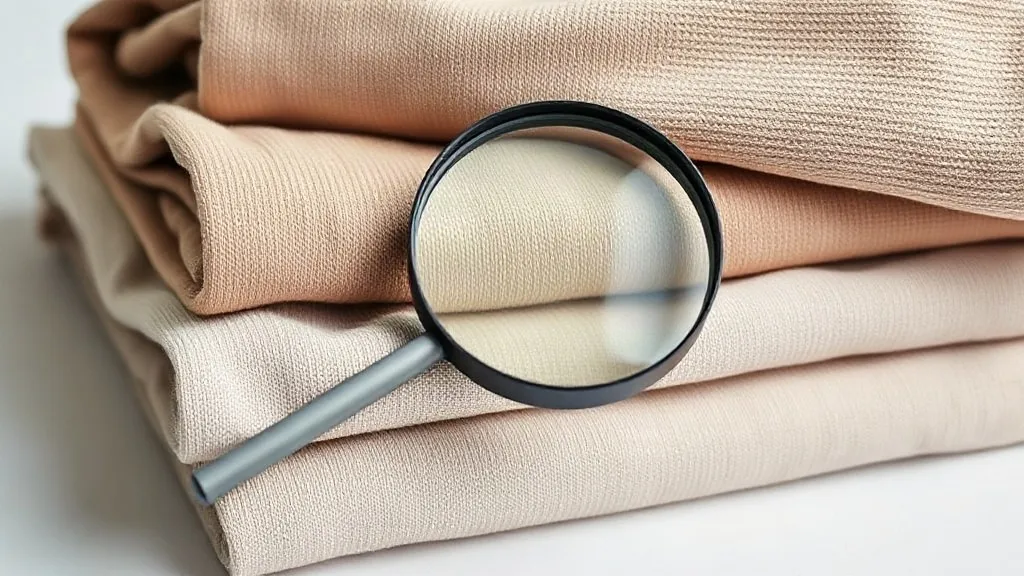
When you pick up a shaka wear tee, the first thing you notice is its heft. That weight isn't an accident. It comes from a deliberate combination of yarn thickness, knitting density, and fabric finishing. For brand owners and printers, understanding these variables is the difference between a shirt that sells and one that sits on the shelf. This guide goes beyond the spec sheet to explain how fabric weight and drape actually work in Shaka Wear blanks, so you can make informed decisions for your next drop.
Why Fabric Weight Matters More Than You Think
Fabric weight, measured in ounces per square yard (oz/yd²), is the most cited number in blank tee discussions. But it's not just a macho metric. Weight influences how a shirt hangs, how it feels against the skin, how it takes ink, and how it ages. A heavier fabric generally drapes with more structure, while a lighter one flows and clings. For streetwear brands, the current preference for boxy, structured fits has pushed demand toward heavier weights. Shaka Wear offers several weights, each with a distinct purpose.
Common Shaka Wear Fabric Weights
Shaka Wear's lineup includes 5.5 oz, 6 oz, 7 oz, and even 8 oz options. The 5.5 oz jersey is a lightweight, breathable choice for summer or layering. The 6 oz is a middle ground, often used for retail tees that need a soft hand but some body. The 7 oz is the sweet spot for many brands: substantial without being stiff, it holds a boxy shape and takes screen printing beautifully. The 8 oz is a true heavyweight, favored for premium streetwear and workwear-inspired pieces. Each weight has its own drape characteristics, which we'll explore next.
How Drape Is Determined by More Than Weight
Drape describes how fabric falls and folds under its own weight. Two shirts can weigh the same but drape differently due to yarn size, knit structure, and finishing. Shaka Wear uses ring-spun cotton, which creates a smoother, stronger yarn than open-end spinning. Ring-spun yarns are finer and more uniform, allowing for a tighter knit that feels softer yet holds shape. The knitting gauge (needles per inch) also plays a role: a tighter gauge produces a denser fabric with less stretch and a more structured drape. Finally, finishing processes like compacting and pre-shrinking affect how the fabric behaves after washing.
The Role of Yarn Size and Staple Length
Yarn size, often expressed in singles or denier, determines the thickness of individual threads. Longer cotton staples (the length of individual fibers) create stronger, smoother yarns. Shaka Wear sources long-staple cotton for many of its fabrics, which reduces pilling and improves drape. When you compare a Shaka Wear tee to a generic blank, the difference in staple length is often what you feel as a softer, more fluid hand.
Knit Structure: Jersey vs. Interlock
Most Shaka Wear tees are jersey knit, a single-knit fabric with a smooth face and a looped back. Jersey drapes well and is breathable, but it can curl at the edges. Interlock, a double-knit fabric, is denser and more stable, with a similar face on both sides. Some Shaka Wear styles use interlock for a more structured look. Knowing which knit you're working with helps predict how the shirt will hang and how it will behave during printing and washing.
Matching Fabric Weight to Your Brand's Aesthetic
Your choice of fabric weight should align with your brand identity. A minimalist, high-end label might prefer a 5.5 oz or 6 oz tee with a soft, flowing drape for a refined look. A skate brand or streetwear label often gravitates toward 7 oz or 8 oz for that boxy, substantial feel. Consider your target customer: are they layering? Do they want a shirt that feels broken-in from day one, or one that molds to their body over time? There's no universal right answer, but there is a right answer for your brand.
Case Study: A 7 oz Tee for a Skate Brand
Imagine a skate brand launching a summer collection. They need tees that can withstand falls, frequent washing, and still hold their shape. A 7 oz Shaka Wear tee provides the durability and structure they need. The heavier fabric also takes bold screen prints well, with less ink bleeding. The drape is boxy but not tent-like, giving a relaxed fit that appeals to skaters. This is a practical example of how weight and drape directly serve a brand's functional and aesthetic needs.
How Fabric Weight Affects Printing and Embroidery
Heavier fabrics generally provide a more stable surface for printing. They absorb ink without letting it strike through, and they resist stretching during the print process. For embroidery, a heavier fabric can support denser stitch counts without puckering, especially when properly stabilized. However, heavier isn't always better: very heavy fabrics may require special needle sizes and tensions. Shaka Wear's 7 oz and 8 oz tees are popular among embroiderers for their ability to hold crisp logos, while the 5.5 oz requires more careful backing to avoid distortion.
Printing on Different Weights
When screen printing on 5.5 oz Shaka Wear, use a lighter ink deposit and a softer squeegee to avoid driving ink into the fabric too deeply. On 7 oz, you can use higher mesh counts and thicker inks for bold graphics. Always test print on a sample to dial in your settings. Water-based inks tend to work well on all weights, but they may require a longer curing time on heavier fabrics.
Embroidery Tips for Heavyweight Shaka Wear
For 7 oz and 8 oz tees, use a medium-weight cutaway backing and a sharp needle (size 75/11 or 80/12). Reduce stitch density slightly to prevent needle deflection. For 5.5 oz, use a lightweight tearaway or wash-away backing to maintain drape. Always hoop the fabric taut but not stretched, and test on a scrap piece first.
Common Misconceptions About Fabric Weight
Many people assume heavier fabric is always hotter. In reality, a tight-knit heavyweight cotton can breathe reasonably well, especially if it's combed and ring-spun. Another myth is that heavier fabric shrinks more. Shaka Wear pre-shrinks its fabrics, so shrinkage is minimal. Finally, some believe that lightweight equals low quality. A well-made 5.5 oz tee can be just as durable as a heavier one if the yarn and knitting are good. Focus on the overall construction, not just the weight number.
How to Choose the Right Shaka Wear Blank for Your Next Drop
Start by defining your fit: do you want a slim, standard, or boxy cut? Then consider the season and layering. For summer, 5.5 oz or 6 oz is often enough. For fall/winter, 7 oz or 8 oz provides warmth and structure. Think about your printing or embroidery needs: heavier weights offer more stability. Finally, order samples and wash them a few times to see how they drape after laundering. Shaka Wear's consistency across production runs means your sample will be representative of bulk orders.
Frequently Asked Questions
What is the difference between 6 oz and 7 oz Shaka Wear tees?
The 6 oz tee is lighter and drapes more softly, making it ideal for retail or fashion brands that want a refined look. The 7 oz tee is heavier and holds a boxier shape, popular for streetwear and skate brands. Both are ring-spun and pre-shrunk, but the 7 oz offers more structure and opacity.
Does heavier fabric always mean better quality?
Not necessarily. Quality depends on yarn quality, knitting, and finishing. A 5.5 oz tee made from long-staple ring-spun cotton can be more durable and softer than a poorly made 7 oz tee. Shaka Wear maintains high standards across all weights, so you can trust the quality regardless of weight.
How can I prevent my Shaka Wear tee from shrinking?
Shaka Wear fabrics are pre-shrunk, so shrinkage is minimal. To further reduce it, wash in cold water and tumble dry on low. Avoid high heat, which can cause any cotton fabric to shrink over time.
Which Shaka Wear weight is best for embroidery?
The 7 oz and 8 oz weights are generally best for embroidery because their density supports stitches without puckering. However, with proper backing and hooping, you can embroider on any weight. Always test on a sample first.