If you've been exploring custom apparel printing, you've likely come across dtf transfers as a game-changing technology. Unlike traditional methods that require specialized equipment or complex setups, DTF (Direct to Film) printing offers a versatile and accessible way to produce vibrant, durable designs on a wide range of fabrics. Whether you're a small business owner, a hobbyist, or someone looking to create personalized gifts, understanding DTF transfers can open up a world of creative possibilities.
In this guide, we'll walk you through everything you need to know about dtf transfers: from the basic process to the benefits, and even how to find dtf transfers near me when you're ready to get started. Let's dive in.
What Are DTF Transfers?
DTF transfers are a type of heat-applied transfer that uses a special film to carry printed designs onto fabric. The process involves printing your design onto a PET film using specialized DTF inks, then applying a powdered adhesive, and finally heat-pressing the film onto the garment. The result is a soft, stretchable, and highly durable print that adheres well to cotton, polyester, blends, and even some synthetic materials.
The DTF Printing Process Step by Step
- Design Preparation: Your artwork is prepared digitally, ensuring it's mirrored and sized correctly for printing.
- Printing: A DTF printer lays down a layer of white ink (for opacity) followed by CMYK colors onto a PET film.
- Powder Application: While the ink is still wet, a hot-melt adhesive powder is sprinkled over the design. Excess powder is shaken off.
- Curing: The film passes through a heat source to melt the powder, creating a dry, tacky adhesive layer.
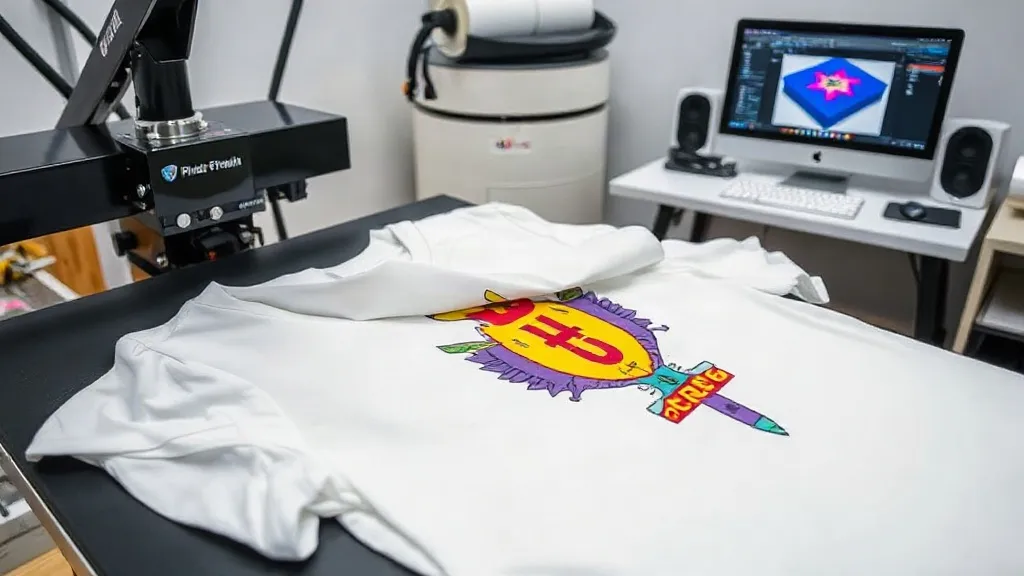
- Transfer: The film is placed on the fabric and heat-pressed, bonding the design to the material. Once cooled, the film is peeled away, leaving the print behind.
Why Choose DTF Transfers?
DTF transfers have gained popularity for several compelling reasons. Here are some key benefits that make them stand out:
- Versatility: Works on almost any fabric, including cotton, polyester, blends, and even treated nylon. No need for special garments.
- Vibrant Colors: DTF printers use high-quality pigments that produce bright, detailed prints with excellent color accuracy.
- Durability: When applied correctly, DTF prints resist cracking, fading, and peeling even after multiple washes.
- Soft Feel: The prints are thin and flexible, avoiding the heavy, plasticky feel of some other transfer methods.
- Cost-Effective for Small Runs: Unlike screen printing, which requires setup costs per color, DTF is economical for short runs and one-offs.
- No Weeding: Unlike vinyl cutting, DTF doesn't require tedious weeding of small details.
DTF vs. Other Printing Methods
To appreciate DTF fully, it helps to compare it with traditional techniques like screen printing, DTG (Direct to Garment), and heat transfer vinyl (HTV).
DTF vs. Screen Printing
Screen printing is excellent for large orders with few colors, offering low per-unit cost and bold results. However, it requires separate screens for each color, making small runs expensive and complex designs challenging. DTF, on the other hand, handles full-color designs in one pass without setup fees, making it ideal for small businesses and personalized items.
DTF vs. DTG
DTG printing directly applies ink to the garment, which works well on 100% cotton but struggles on polyester and blends. DTF excels on a wider range of fabrics and often produces more vibrant colors on dark shirts. DTG also requires pretreating the garment, adding time and cost.
DTF vs. HTV
HTV (heat transfer vinyl) is great for simple text and shapes but falls short for complex, multi-color designs. Weeding intricate details can be time-consuming, and layering colors adds thickness. DTF eliminates weeding and allows for photographic-quality prints with a softer hand.
Applications of DTF Transfers
The versatility of DTF transfers makes them suitable for a wide range of applications:
- Custom T-shirts: Perfect for creating personalized tees for events, teams, or businesses.
- Hoodies and Sweatshirts: DTF adheres well to heavier fabrics, making it great for warm-up gear.
- Tote Bags: Add vibrant designs to canvas bags for promotional items or personal use.
- Sportswear: The stretchability of DTF prints makes them suitable for activewear.
- Corporate Uniforms: Branded apparel with logos and employee names.
- Gifts: Personalized items for birthdays, holidays, or special occasions.
How to Apply DTF Transfers at Home
Applying DTF transfers is straightforward with the right tools. Here's a step-by-step guide:
- Preheat Your Heat Press: Set the temperature to around 300°F (150°C) and preheat the garment for a few seconds to remove moisture.
- Place the Transfer: Position the DTF film on the garment with the printed side down.
- Press: Apply medium pressure for 10-15 seconds.
- Peel: Wait a few seconds for it to cool slightly, then peel the film off smoothly. For a matte finish, peel while hot; for a glossy finish, peel cold.
- Post-Press: Cover with parchment paper or a Teflon sheet and press again for 5 seconds to ensure the print is fully bonded.
Note: Always follow the specific instructions provided by your transfer supplier, as times and temperatures may vary.
Finding Quality DTF Transfers Near You
When searching for dtf transfers near me, you'll want to ensure you're getting high-quality products that will last. Here are some tips:
- Check Reviews: Look for suppliers with positive feedback on durability and color vibrancy.
- Request Samples: Order a sample pack to test the quality before committing to a larger order.
- Ask About Ink and Powder: Quality DTF suppliers use reputable inks and adhesives that resist washing.
- Consider Turnaround Time: If you need transfers quickly, check shipping times and processing speeds.
- Look for Local Options: Searching for dtf transfers near me can help you find local printers who may offer faster service and personalized support.
Common Mistakes to Avoid with DTF Transfers
Even though DTF is user-friendly, some pitfalls can affect the outcome. Watch out for these:
- Insufficient Pressure: Too little pressure prevents proper adhesion, leading to peeling.
- Wrong Temperature: Always verify the recommended settings for your specific transfer and fabric.
- Not Pre-Pressing: Moisture in the fabric can ruin the transfer; always pre-press.
- Peeling Too Early or Too Late: Follow the supplier's instructions for hot vs. cold peel.
- Using the Wrong Fabric: While DTF works on many fabrics, some very stretchy or heat-sensitive materials may require special care.
Frequently Asked Questions About DTF Transfers
How long do DTF transfers last?
With proper application and care, DTF transfers can last 50+ washes without significant fading or cracking. Always wash inside out and avoid harsh chemicals.
Can I use DTF transfers on dark shirts?
Absolutely! DTF transfers include a white ink layer that provides a bright base, making colors pop on dark fabrics.
Do I need a special printer for DTF?
Yes, DTF requires a DTF printer and specialized inks. However, you can purchase pre-printed transfers from suppliers and apply them with a standard heat press.
What is the difference between DTF and DTG?
DTF uses a film transfer and works on more fabrics, while DTG prints directly onto the garment, primarily on cotton. DTF often yields more vibrant results on dark colors.
Where can I find DTF transfers near me?
Search online for local DTF printers or check with craft stores and printing shops in your area. Online suppliers also offer nationwide shipping.
DTF transfers are a fantastic addition to any crafter's toolkit, offering professional-quality results without the need for expensive equipment. Whether you're creating custom apparel for your business or personal projects, understanding the ins and outs of DTF will help you achieve stunning, long-lasting prints. So why wait? Explore the world of DTF transfers today and bring your designs to life!