Custom apparel has always been about expression, but the methods to achieve it have evolved dramatically. If you've been in the printing game for a while, you know the frustration of heat transfer vinyl that peels or screen printing that limits your color options. Enter dtf transfers, a technology that's quickly becoming the go-to solution for both small businesses and DIY enthusiasts. In this article, we'll dive into what makes DTF printing stand out, how it works, and why it might be the perfect fit for your next project.
What Are DTF Transfers?
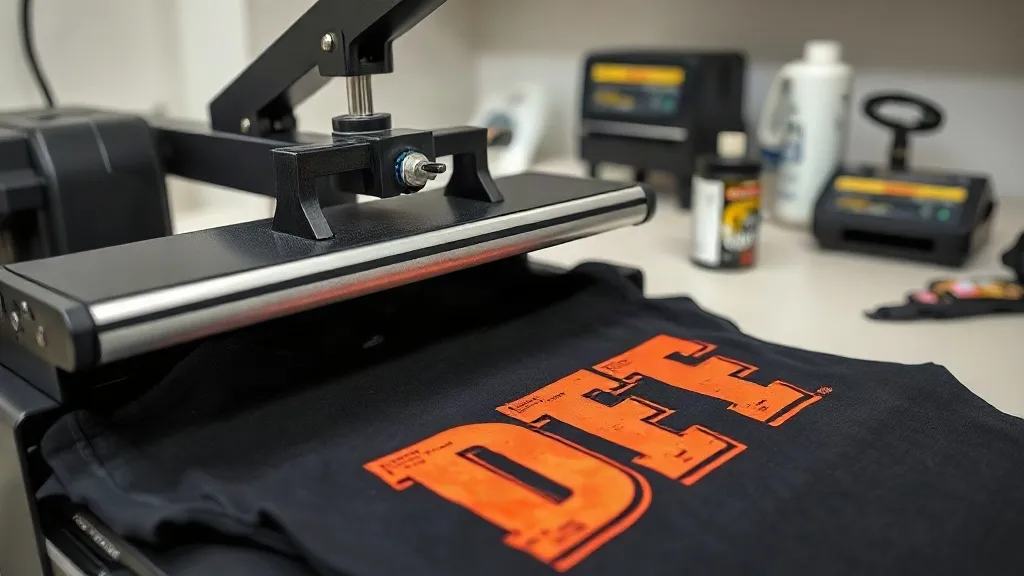
DTF stands for Direct to Film. It's a printing method where your design is printed onto a special film, then coated with a powder adhesive and cured. The result is a transfer that can be applied to a wide range of fabrics using a heat press. Unlike other methods, dtf doesn't require pretreatment of the garment, which saves time and reduces mess. The process is straightforward: print, powder, cure, and press. The outcome is a soft, stretchable print that holds up wash after wash.
The Advantages of DTF Transfers Over Other Methods
So why choose DTF over screen printing or vinyl? Let's break down the key benefits.
Vibrant Colors and Fine Details
DTF printers use CMYK plus white ink, allowing for full-color designs with gradients, photographs, and intricate details. Unlike screen printing, which requires a separate screen for each color, DTF handles complex artwork in a single pass. The white ink layer ensures that colors pop even on dark fabrics, making it ideal for black t-shirts or navy hoodies.
Compatibility with a Wide Range of Fabrics
One of the biggest pain points in apparel printing is fabric compatibility. Heat transfer vinyl (HTV) works well on cotton but struggles with polyester, nylon, or blends. DTF, however, adheres to almost any fabric, including cotton, polyester, blends, and even leather. This versatility means you can offer custom designs on a broader range of products without investing in multiple printing methods.
Durability and Washability
Nobody wants a design that cracks or fades after a few washes. DTF transfers are known for their durability. When applied correctly, the print stretches with the fabric and withstands repeated washing without significant fading or peeling. This makes it a reliable choice for workwear, sports jerseys, and everyday apparel.
Cost-Effective for Short Runs
Screen printing becomes cost-effective only at high volumes due to setup costs. DTF has no setup fees and requires minimal preparation, making it perfect for small batches, one-offs, and personalized orders. Whether you're printing a single custom shirt for a birthday or a hundred for a team event, DTF keeps costs low and turnaround fast.
How to Apply DTF Transfers
Applying a DTF transfer is simple, but precision matters. Here's a step-by-step guide to ensure a professional finish.
Step 1: Prepare Your Heat Press
Preheat your heat press to the recommended temperature, typically around 325°F to 375°F (160°C to 190°C) depending on the film and adhesive. Set the pressure to medium-high, and make sure the platen is clean.
Step 2: Position the Transfer
Place your garment on the press and smooth out any wrinkles. Position the DTF transfer on the garment with the printed side facing up. Use heat-resistant tape to hold it in place if needed.
Step 3: Press and Peel
Close the press and apply heat for 10-15 seconds. Then, open the press and peel the film off while it's still hot (or cold, depending on the film type; always check the instructions). For best results, use a Teflon sheet or parchment paper over the transfer to protect it.
Step 4: Post-Press (Optional)
Some DTF films benefit from a second press of 5-10 seconds with a Teflon sheet to enhance adhesion and texture. This step is often recommended for garments that will undergo heavy washing.
Pro tip: Always do a test press on a scrap piece of fabric to dial in your settings. Temperature, pressure, and time can vary slightly between presses and films.
Common Challenges and How to Overcome Them
Even with a straightforward process, issues can arise. Here's how to troubleshoot common problems.
- Peeling after washing: This usually indicates insufficient pressure or time during application. Increase pressure or extend press time slightly.
- Uneven adhesion: Ensure the garment is flat and free of wrinkles. Also, check that the transfer is not expired or stored improperly.
- Color fading: Use high-quality DTF films and inks. Store transfers in a cool, dry place away from direct sunlight.
- Stiff feel: Some films have a thicker hand. Try a different brand or adjust pressing parameters to soften the print.
Why Choose DTF Transfers Near Me?
If you're looking for dtf transfers near me, you're likely seeking a local provider who can deliver quickly and offer personalized support. Local suppliers can provide faster turnaround times, especially for urgent orders, and allow you to inspect the quality before committing to a large batch. Additionally, building a relationship with a local printer can lead to better pricing and customized advice for your specific needs.
DTF vs. Other Printing Methods: A Quick Comparison
To help you decide, here's a side-by-side comparison of DTF with screen printing and HTV.
- DTF: Full-color, no setup fees, works on all fabrics, durable, soft hand.
- Screen Printing: Cost-effective at high volumes, limited colors per screen, requires setup, best on cotton.
- HTV: Good for simple designs, limited to certain fabrics, can feel stiff, labor-intensive for multi-color.
For businesses that offer a variety of products and need flexibility, DTF often comes out on top.
Getting Started with DTF Transfers
Ready to incorporate DTF into your workflow? Here are a few tips to get started on the right foot.
- Invest in a quality printer: A reliable DTF printer with good color management is crucial. Look for models that support white ink and have a reputation for durability.
- Source quality supplies: Not all films and powders are created equal. Choose reputable suppliers to avoid issues like clogging or poor adhesion.
- Master the press: Practice on scrap fabrics to perfect your temperature, pressure, and timing. Keep a log of settings for different fabrics.
- Market your new capability: Once you're confident, promote your DTF services to attract customers looking for vibrant, durable prints on any garment.
Frequently Asked Questions
Can I use DTF transfers on 100% polyester?
Yes, DTF works excellently on polyester, including moisture-wicking fabrics. The key is to use a lower temperature (around 300°F) to prevent the polyester from scorching or the transfer from over-melting.
How long do DTF transfers last?
With proper application and care, DTF transfers can last as long as the garment itself. They withstand dozens of washes without significant fading or cracking. Always follow the washing instructions: turn the garment inside out and avoid harsh chemicals.
Do I need a special heat press for DTF?
A standard heat press works fine, but it should have consistent pressure and accurate temperature control. Some professionals prefer a press with a digital display for precision. You don't need a DTF-specific press, but ensure your press can maintain even pressure across the platen.
Can I layer DTF transfers?
Yes, you can layer DTF transfers, but it's recommended to press each layer separately and use a lower temperature for subsequent layers to avoid disturbing the underlying print. Allow each layer to cool before applying the next.
Is DTF printing environmentally friendly?
DTF uses water-based inks and no pretreatment chemicals, making it more eco-friendly than some other methods. However, the film and powder do create some waste, so recycling programs are emerging. Always dispose of waste according to local regulations.
DTF transfers are revolutionizing the custom apparel industry with their versatility, durability, and vibrant results. Whether you're a small business owner or a hobbyist, embracing this technology can open up new possibilities for creativity and profit. So why wait? Explore the world of DTF transfers today and see the difference for yourself.